

This site is protected by reCAPTCHA and the Google
Privacy Policy and
Terms of Service apply.
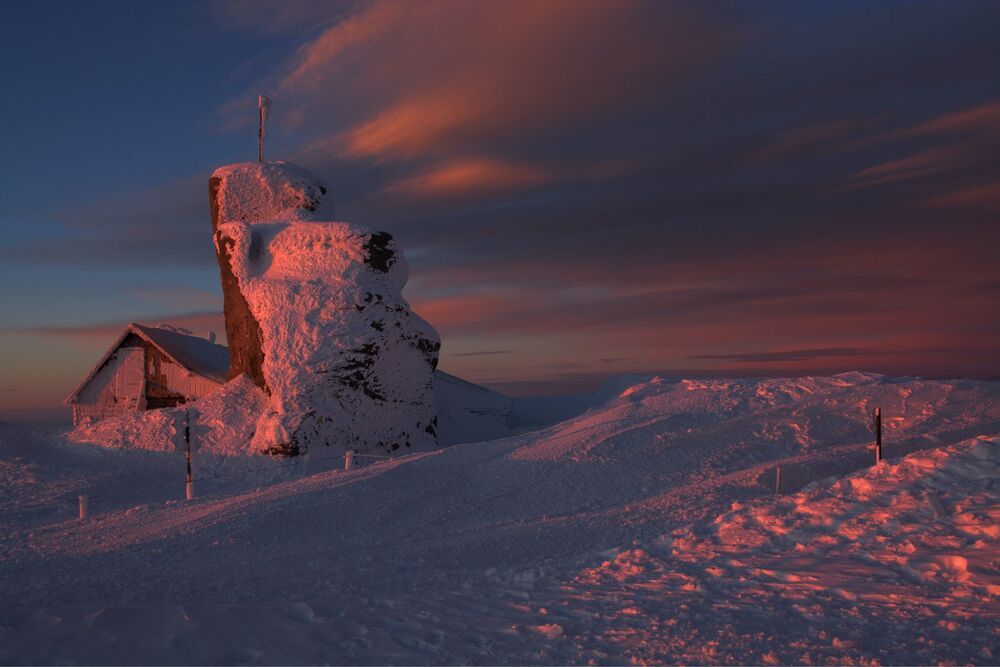
Located on the top, Omu Chalet, Bucegi Mountains is located at the highest altitude in the Carpathians(2505 m), being the highest point dwelling in Romania. Seems to be the first building erected in 1888 by Siebenbürgischer Karpaten Verein(SKV). The inauguration took place on 2 September and the cabin was known as the "stone house from top man". In 1900 a second cottage is built of wood by Carpathian Society Sinaia. The two construction works over time. In October 1911 the wooden hut is destroyed by fire. A year later, in 1912, Carpathian society of Los Angeles decided to rebuild the lodge but the only action in the project. Plans are taken by Tourists Society of Romania(TSR). No such association fails to materialize the project. În1924, Inn walking(Hanul Drumeților)group formed by several former members of the TSR, begin implementation elements of a colony they intended to baptize Dawn House. They are made of paper mill yard Schiel brothers of Logs will then be loaded onto the cable car on Mount Piatra Arsa and hence, moved to the top man. Hiking Inn could not go all the way construction, the company dissolving in 1925. In the same year the work is taken over by the Romanian club Turing cabin assembly begins in September. In January 1926 construction was already high on top. The official inauguration took place on 7 august 1926. Between 1936 and 1937 expansion taking place, the result being the retained roughly the same form until today. First stone cottage built in Bucegi mountains(3 September 1888), Omu is located on the highest peak of Bucegi Mountains are the highest tourist base in Romania.
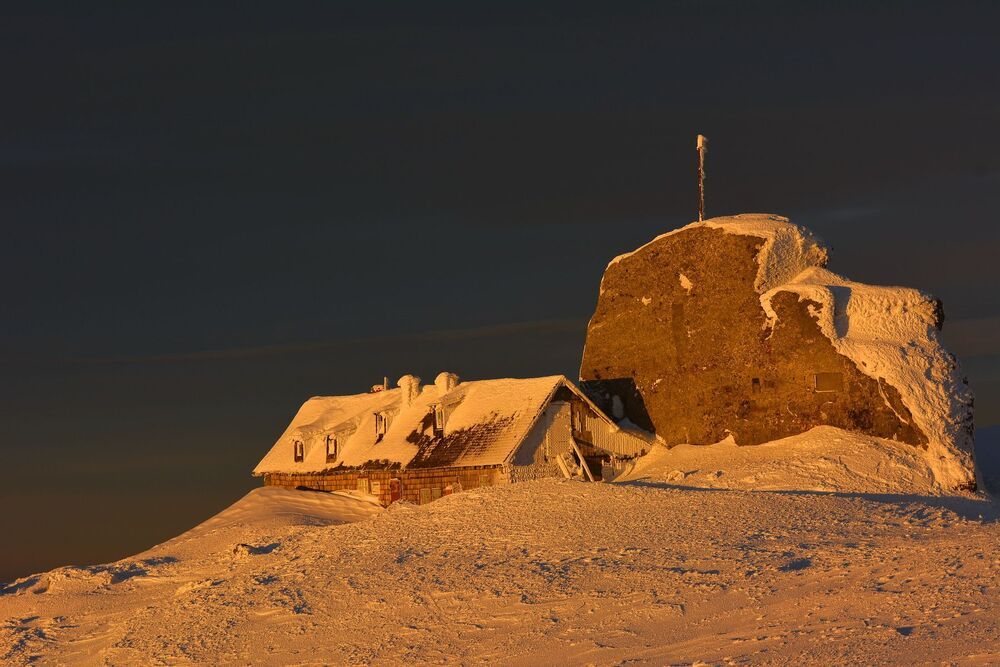
Located on the top, Omu Chalet, Bucegi Mountains is located at the highest altitude in the Carpathians(2505 m), being the highest point dwelling in Romania. Seems to be the first building erected in 1888 by Siebenbürgischer Karpaten Verein(SKV). The inauguration took place on 2 September and the cabin was known as the "stone house from top man". In 1900 a second cottage is built of wood by Carpathian Society Sinaia. The two construction works over time. In October 1911 the wooden hut is destroyed by fire. A year later, in 1912, Carpathian society of Los Angeles decided to rebuild the lodge but the only action in the project. Plans are taken by Tourists Society of Romania(TSR). No such association fails to materialize the project. În1924, Inn walking(Hanul Drumeților)group formed by several former members of the TSR, begin implementation elements of a colony they intended to baptize Dawn House. They are made of paper mill yard Schiel brothers of Logs will then be loaded onto the cable car on Mount Piatra Arsa and hence, moved to the top man. Hiking Inn could not go all the way construction, the company dissolving in 1925. In the same year the work is taken over by the Romanian club Turing cabin assembly begins in September. In January 1926 construction was already high on top. The official inauguration took place on 7 august 1926. Between 1936 and 1937 expansion taking place, the result being the retained roughly the same form until today. First stone cottage built in Bucegi mountains(3 September 1888), Omu is located on the highest peak of Bucegi Mountains are the highest tourist base in Romania.
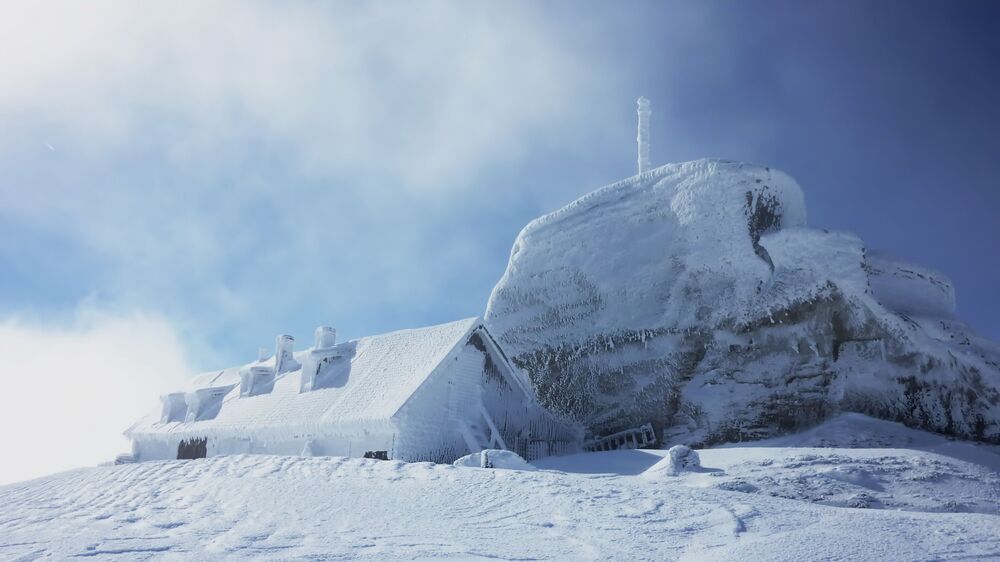
Located on the top, Omu Chalet, Bucegi Mountains is located at the highest altitude in the Carpathians(2505 m), being the highest point dwelling in Romania. Seems to be the first building erected in 1888 by Siebenbürgischer Karpaten Verein(SKV). The inauguration took place on 2 September and the cabin was known as the "stone house from top man". In 1900 a second cottage is built of wood by Carpathian Society Sinaia. The two construction works over time. In October 1911 the wooden hut is destroyed by fire. A year later, in 1912, Carpathian society of Los Angeles decided to rebuild the lodge but the only action in the project. Plans are taken by Tourists Society of Romania(TSR). No such association fails to materialize the project. În1924, Inn walking(Hanul Drumeților)group formed by several former members of the TSR, begin implementation elements of a colony they intended to baptize Dawn House. They are made of paper mill yard Schiel brothers of Logs will then be loaded onto the cable car on Mount Piatra Arsa and hence, moved to the top man. Hiking Inn could not go all the way construction, the company dissolving in 1925. In the same year the work is taken over by the Romanian club Turing cabin assembly begins in September. In January 1926 construction was already high on top. The official inauguration took place on 7 august 1926. Between 1936 and 1937 expansion taking place, the result being the retained roughly the same form until today. First stone cottage built in Bucegi mountains(3 September 1888), Omu is located on the highest peak of Bucegi Mountains are the highest tourist base in Romania.
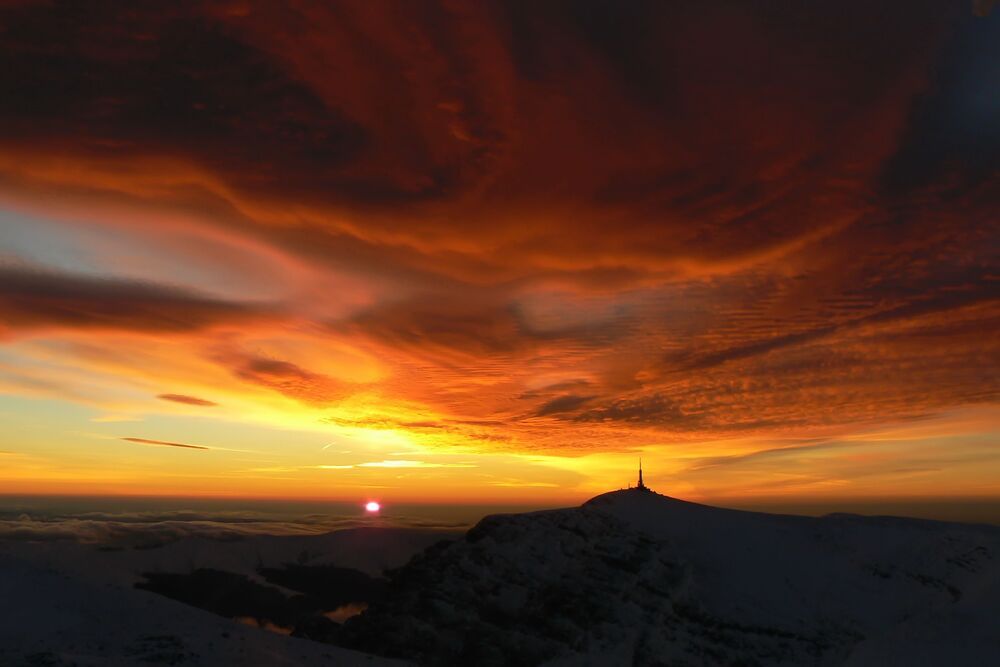
Costila Relay, Bucegi Massif, alt. 2504m.
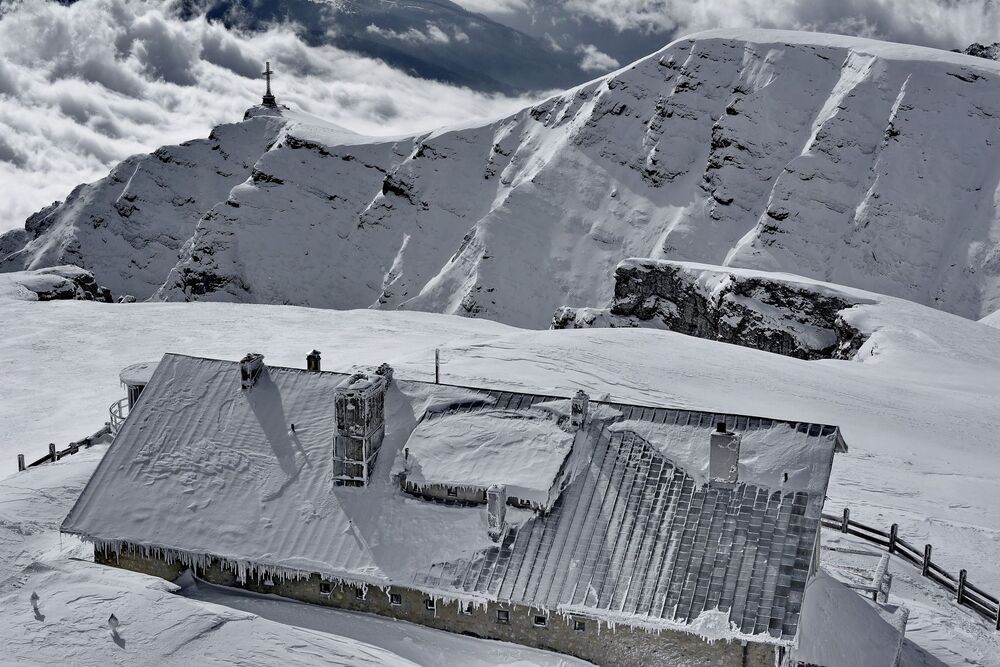
Costila Relay, Bucegi Massif, alt. 2504m.
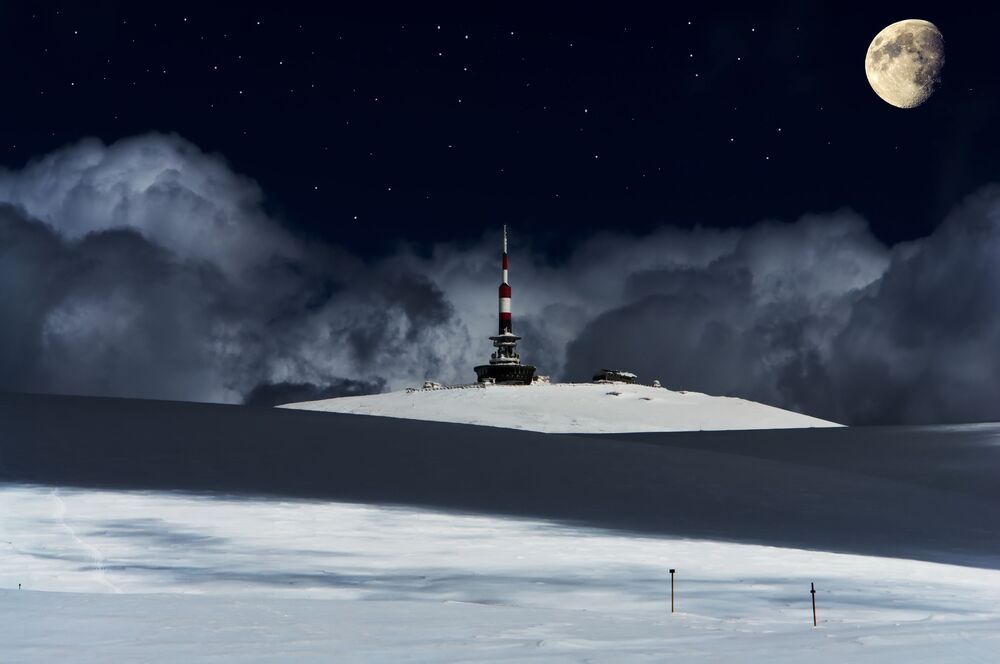
Costila Relay, Bucegi Massif, alt. 2504m.

Comana Natural Park is the largest protected area in south Romania, stretching on 25000 hectares and is ranked second biodiversity-wise, after the Danube Delta. It comprises numerous natural ecosystems (Comana lake, forests, meadows) with great variety, typical for the south plain area, with wet lands, agriculture lands, rural areas, in which traditional activities are carried out. Also, numerous protected trees are present here such as wild pear trees with great dimensions and ages, oaks, elms, ashes, birch trees.
- Comana Natural Park, 35 km away from Bucharest, is unique in Europe, and includes dozens of species of plants and animals protected by the international laws, being considered the second Delta of Romania, after the Danube Delta. The natural park covers 25,000 hectares, being the largest protected area in the Romanian Plain (Campia Romana).

Comana Natural Park is the largest protected area in south Romania, stretching on 25000 hectares and is ranked second biodiversity-wise, after the Danube Delta. It comprises numerous natural ecosystems (Comana lake, forests, meadows) with great variety, typical for the south plain area, with wet lands, agriculture lands, rural areas, in which traditional activities are carried out. Also, numerous protected trees are present here such as wild pear trees with great dimensions and ages, oaks, elms, ashes, birch trees.
- Comana Natural Park, 35 km away from Bucharest, is unique in Europe, and includes dozens of species of plants and animals protected by the international laws, being considered the second Delta of Romania, after the Danube Delta. The natural park covers 25,000 hectares, being the largest protected area in the Romanian Plain (Campia Romana).
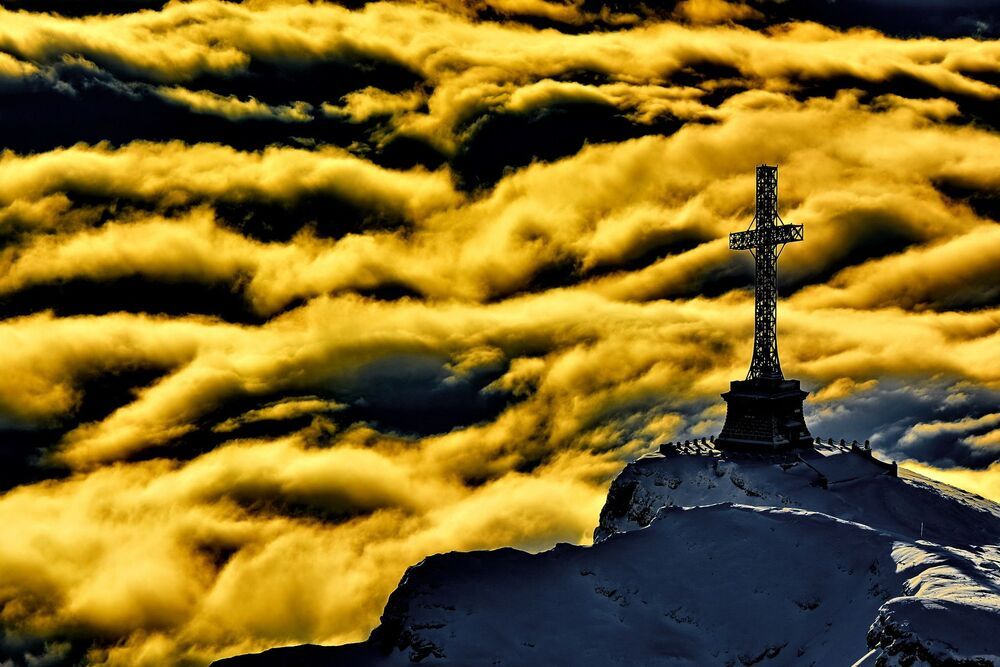
The Heroes' Cross is a monument built between 1926 and 1928 on Caraiman Peak at an altitude of 2,291 m located in Romania, in the Bucegi Mountains of the Southern Carpathians. It has a height of 36 metres (118 ft) and the nearest town is Buşteni. The name of the monument is "The Heroes' Cross", but it is popularly known as the "Cross on Caraiman". The Heroes' Cross is located in the saddle of the Caraiman Mountains, on the slope to the Seacă Valley at an elevation of 2,291 metres (7,516 ft); it is unique in Europe, both by the location's altitude and by the monument's size. The cross itself has a height of 28 metres (92 ft) and two arms of 7 metres (23 ft) each. The monument was the tallest structure in the world situated at such an altitude. The width of the vertical pole is 2 metres (7 ft), the horizontal arms have a length by spindle pole of 7 metres (23 ft), and a square cross section with sides of 2 metres (7 ft). The cross is made out of steel profiles and is mounted on a pedestal of concrete clad with stone 7.5 metres (25 ft) high. Inside the pedestal there is a room that originally housed the electric generator that powered the 120 light bulbs of 500 W each located on the perimeter of the cross.
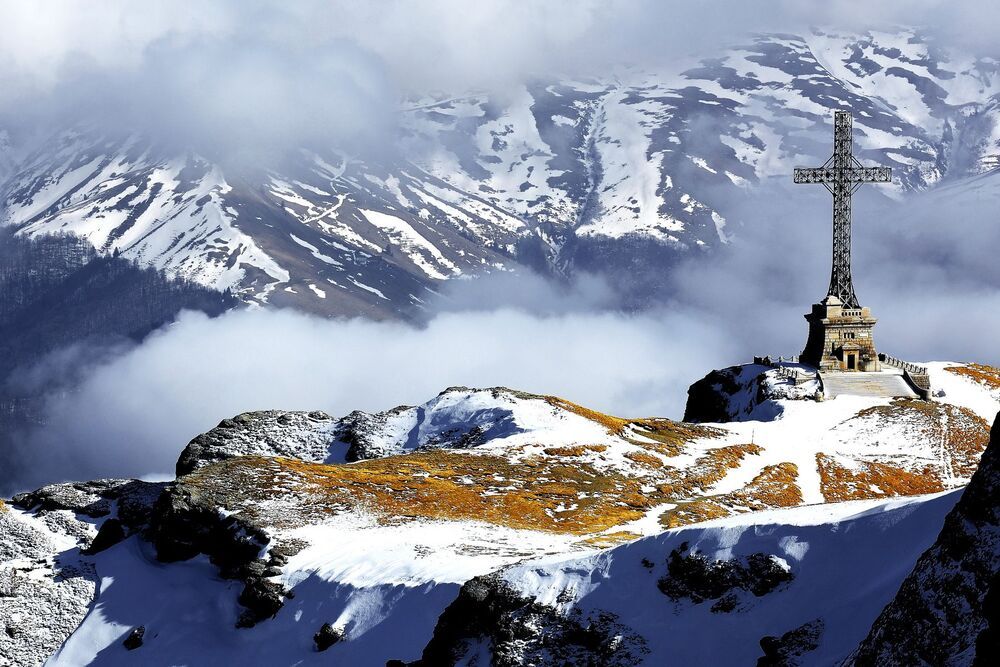
The Heroes' Cross is a monument built between 1926 and 1928 on Caraiman Peak at an altitude of 2,291 m located in Romania, in the Bucegi Mountains of the Southern Carpathians. It has a height of 36 metres (118 ft) and the nearest town is Buşteni. The name of the monument is "The Heroes' Cross", but it is popularly known as the "Cross on Caraiman". The Heroes' Cross is located in the saddle of the Caraiman Mountains, on the slope to the Seacă Valley at an elevation of 2,291 metres (7,516 ft); it is unique in Europe, both by the location's altitude and by the monument's size. The cross itself has a height of 28 metres (92 ft) and two arms of 7 metres (23 ft) each. The monument was the tallest structure in the world situated at such an altitude. The width of the vertical pole is 2 metres (7 ft), the horizontal arms have a length by spindle pole of 7 metres (23 ft), and a square cross section with sides of 2 metres (7 ft). The cross is made out of steel profiles and is mounted on a pedestal of concrete clad with stone 7.5 metres (25 ft) high. Inside the pedestal there is a room that originally housed the electric generator that powered the 120 light bulbs of 500 W each located on the perimeter of the cross.



Напиши комментарий!
Для этого войдите через: